The Things Couples Only Notice Once the Day Has Passed
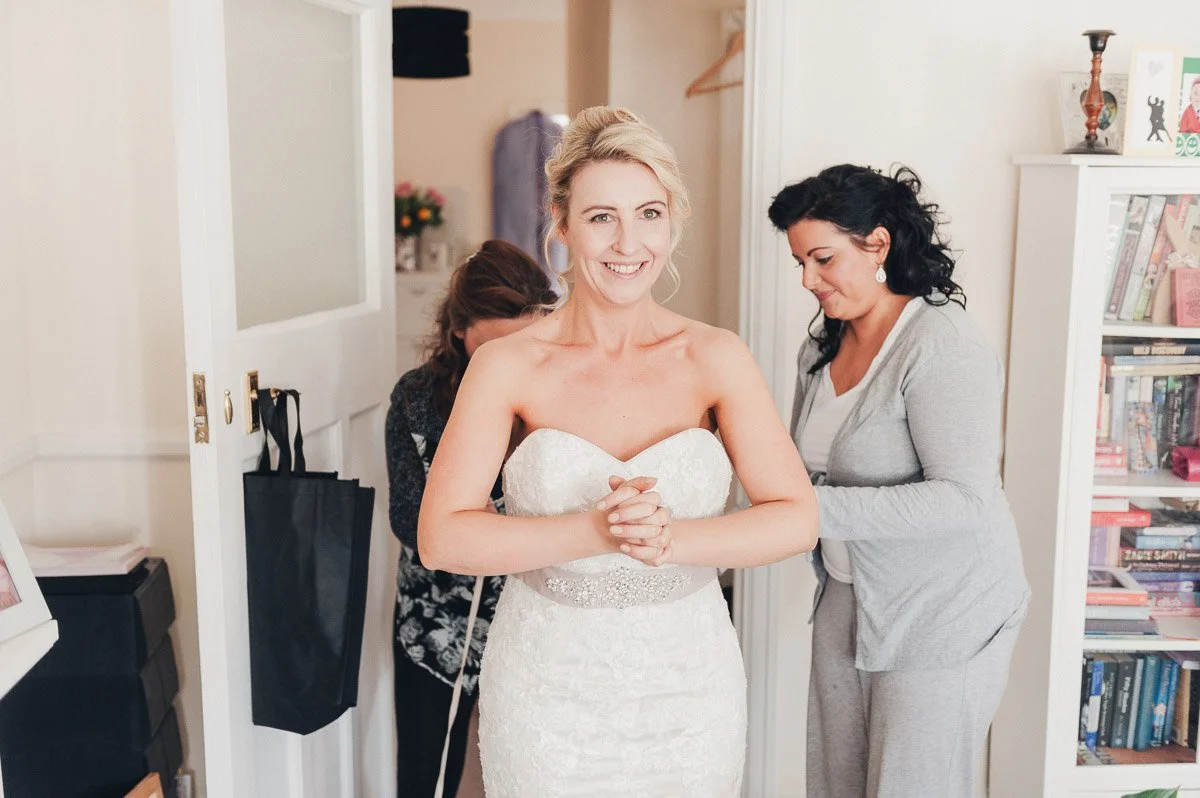
There is usually a moment a few weeks after the wedding when couples look back and realise how quickly parts of the day passed.
Not in a negative way. More in the sense that everything built steadily, and then certain moments were suddenly over before they had time to fully register them. Even couples who felt relaxed and happy on the day itself often describe it the same way. It all went very quickly, and large parts of it feel like a blur.
These are not things people tend to worry about while planning. They are quieter realisations that arrive later, once the noise has faded and the photographs begin to reconnect the experience.
The day moves faster than you expect, especially when no one slows it down
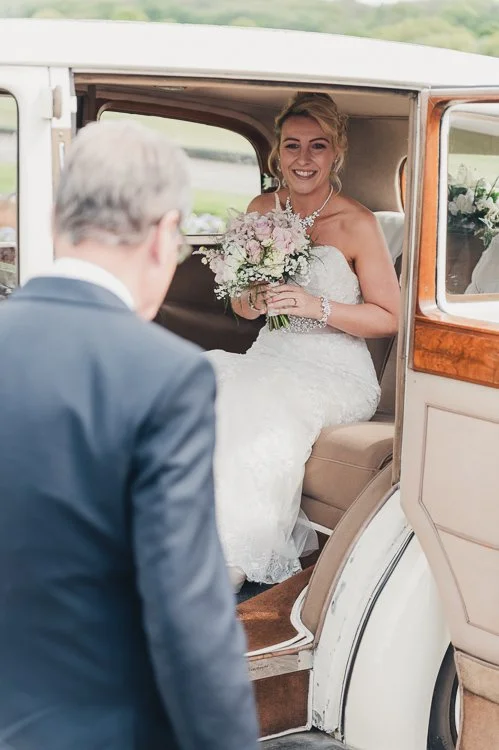
Most couples do not feel rushed on their wedding day, and that is rarely how it presents itself at the time.
What often becomes clear later is how quickly the day moved between moments. One minute they were greeting guests, and the next they were somewhere else entirely, without really remembering the transition in between.
The ceremony is often where this is felt most strongly. There is so much anticipation, adrenaline, and emotion leading up to it that it can feel as though it is over almost as soon as it begins. More than one couple has said afterwards that they barely remember walking down the aisle.
It is not a sign that anything went wrong. It is simply what happens when excitement takes over and there is very little space to pause and take things in.
The quiet parts of the morning matter more than the busy ones

The morning often holds the last sense of calm the day offers.
Before guests arrive and before the schedule begins to tighten, the pace is softer and less demanding. Conversations unfold more slowly, and people are present without yet being pulled in multiple directions.
As the day progresses, that calm gives way to momentum, and attention shifts toward what comes next rather than what is happening in the moment. Looking back, many couples say the morning grounded them more than they expected, even if they did not recognise its importance at the time.
It is often the only part of the day that feels genuinely unhurried.
The best help is the kind you barely notice at the time
On the day itself, couples are rarely aware of the small things that help keep everything feeling manageable.
They are too busy greeting people, being congratulated, and moving through the day to notice quiet check ins or subtle adjustments. Sometimes it is simply a small pocket of space, a gentle interruption, or someone noticing that things are starting to rush before it becomes overwhelming.
What couples tend to recognise later is not the action itself, but the effect it had. They remember that the day never tipped into stress, and that even when things were busy, it still felt steady.
That kind of support does not draw attention to itself. It simply allows the day to keep its shape.
What I’m actually doing on a wedding day beyond holding a camera
You do not remember the day in order, and someone needs to
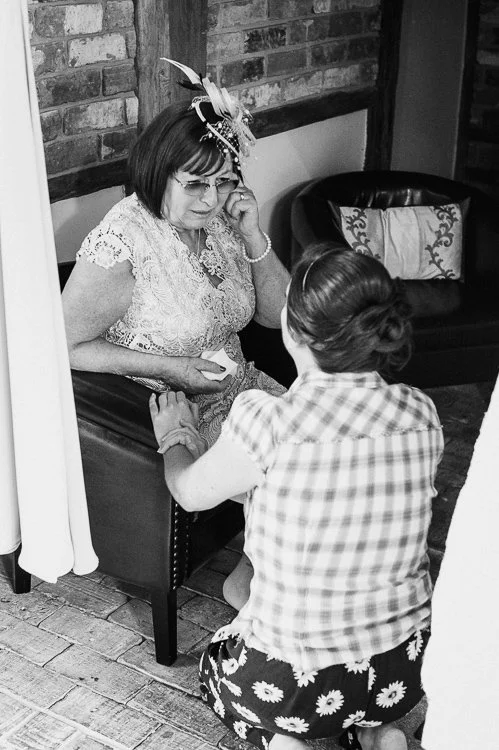
Memory rarely works in a straight line on a wedding day.
Couples often remember certain moments vividly while entire stretches feel missing. They may recall delivering a speech, but not the reactions in the room, or remember the words they said without realising how deeply someone else was affected by them.
When couples look through their gallery later, these gaps often become visible. They see a parent quietly crying during a speech, a long embrace between friends after a meaningful moment, or laughter breaking out just out of sight while their attention was focused elsewhere.
These moments were always part of the day. They simply happened beyond the couple’s immediate awareness.
Some moments only exist for a few seconds, and someone has to be watching
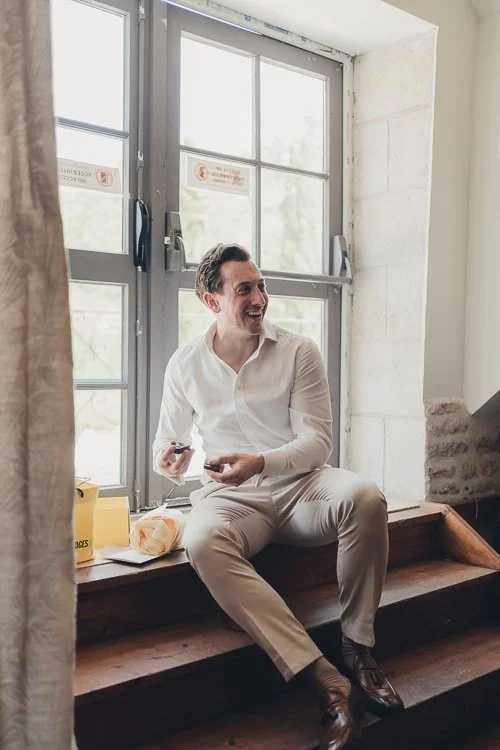
Not everything that matters on a wedding day lasts very long.
Some moments pass almost as soon as they appear, such as a glance across the room, a fleeting reaction on someone’s face, or a child taking everything in for the first time. These moments are unplanned and cannot be recreated.
They happen quietly and move on.
When couples see these moments later, it often fills in the gaps. It shows them parts of the day they were never in a position to witness directly, but that still shaped how the day felt as a whole.
Looking back, the difference is rarely more planning or more structure.
It is having someone present who feels permitted to speak when it protects the experience, and equally comfortable staying silent when it does not. It is about knowing when to gently slow things down and when to let them unfold, without turning the day into something managed or performative.
That understanding does not change how the day unfolds. It simply ensures that when things move quickly, as they always do, they still feel lived rather than lost.