What I Actually Do on a Wedding Day (Beyond Holding a Camera)
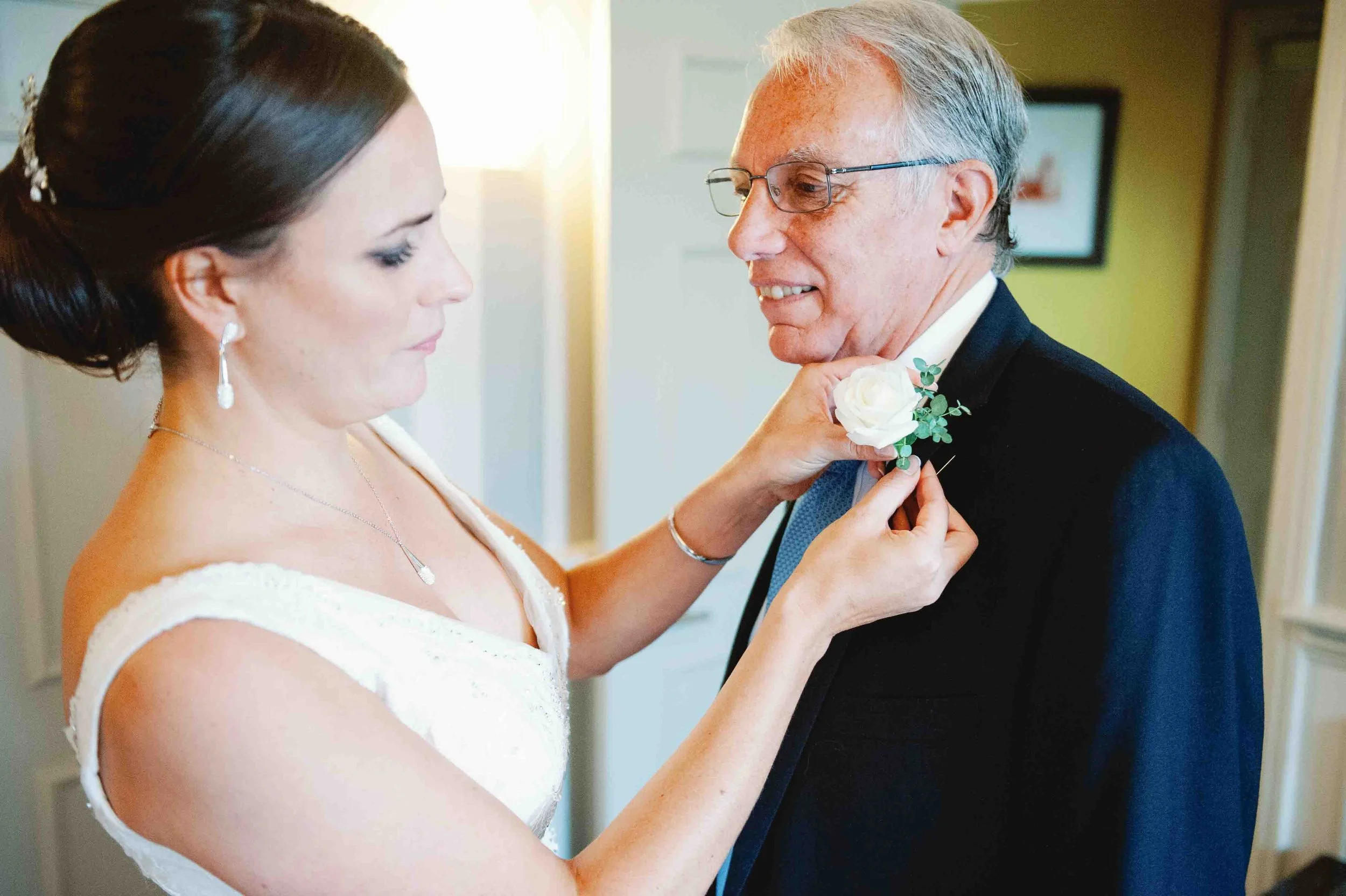
Most people see a wedding photographer turning up with cameras. What they do not see is everything that happens in between. The reading of a room, the quiet decisions made throughout the day, and the moments when the camera is deliberately put down.
As a wedding photographer based in Bordeaux and working across South West France, most of the work happens long before anyone notices the camera.
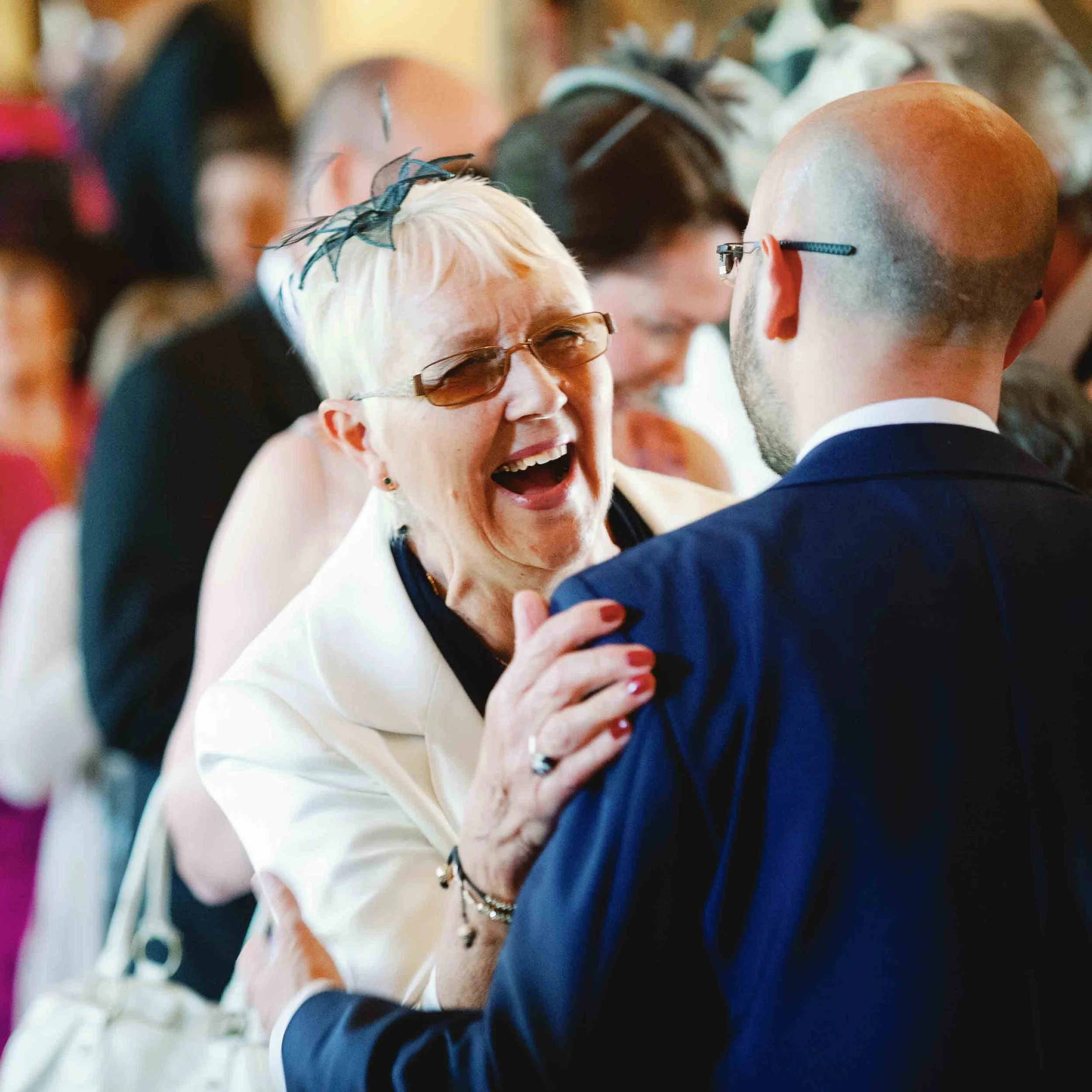
On a wedding day, the role starts well before the first photograph is taken.
What Happens Before the Camera Comes Out
Long before the morning itself, there is preparation. Conversations with the couple. Understanding who will be there, how the day is meant to flow, and what matters most to them. Sometimes this includes visiting the venue in advance, walking the space, understanding how light moves through it, and anticipating how the day might actually unfold rather than how it appears on a timeline.
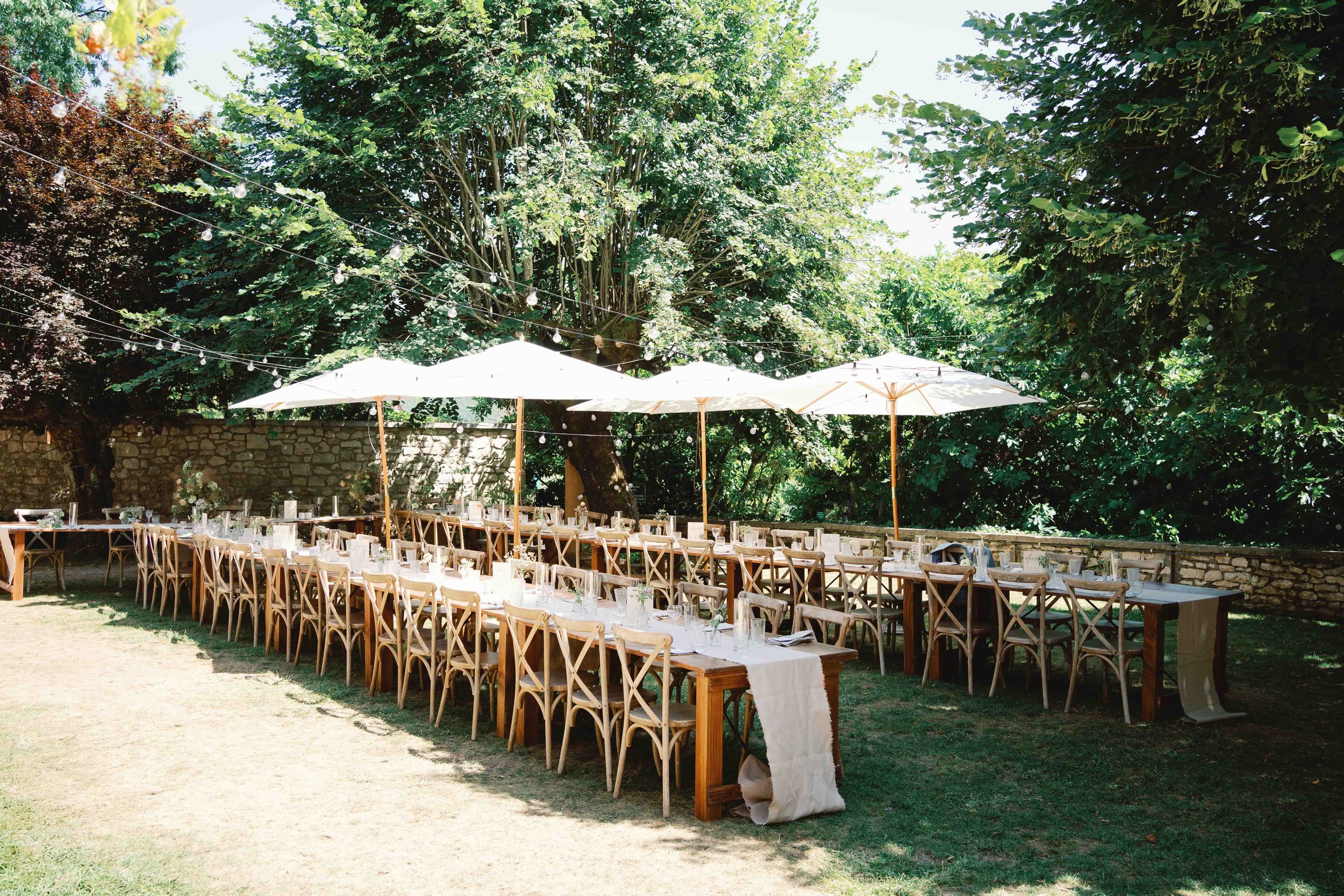
By the time the wedding morning arrives, nothing should feel unfamiliar.
When arriving, the priority is people, not photographs. Introducing myself early, learning names, and building rapport quickly matters more than lifting a camera straight away. Weddings work best when the photographer does not feel like a stranger, and that trust starts in the first few minutes. I will often walk through the space with a camera in hand without immediately using it, letting people know who I am without making them feel observed.
At the same time, I am quietly checking the shape of the day. What has changed. Where things are happening. Whether anything feels rushed, heavy, or unsettled. In France especially, timings can shift because of heat, logistics, or last minute adjustments. Flowers might still be being watered, details may not be ready yet, and plans evolve. Speaking with planners and other suppliers early helps ensure nothing important has moved without being noticed.
These early moments set the tone for everything that follows.
Knowing When to Step In and When to Step Back
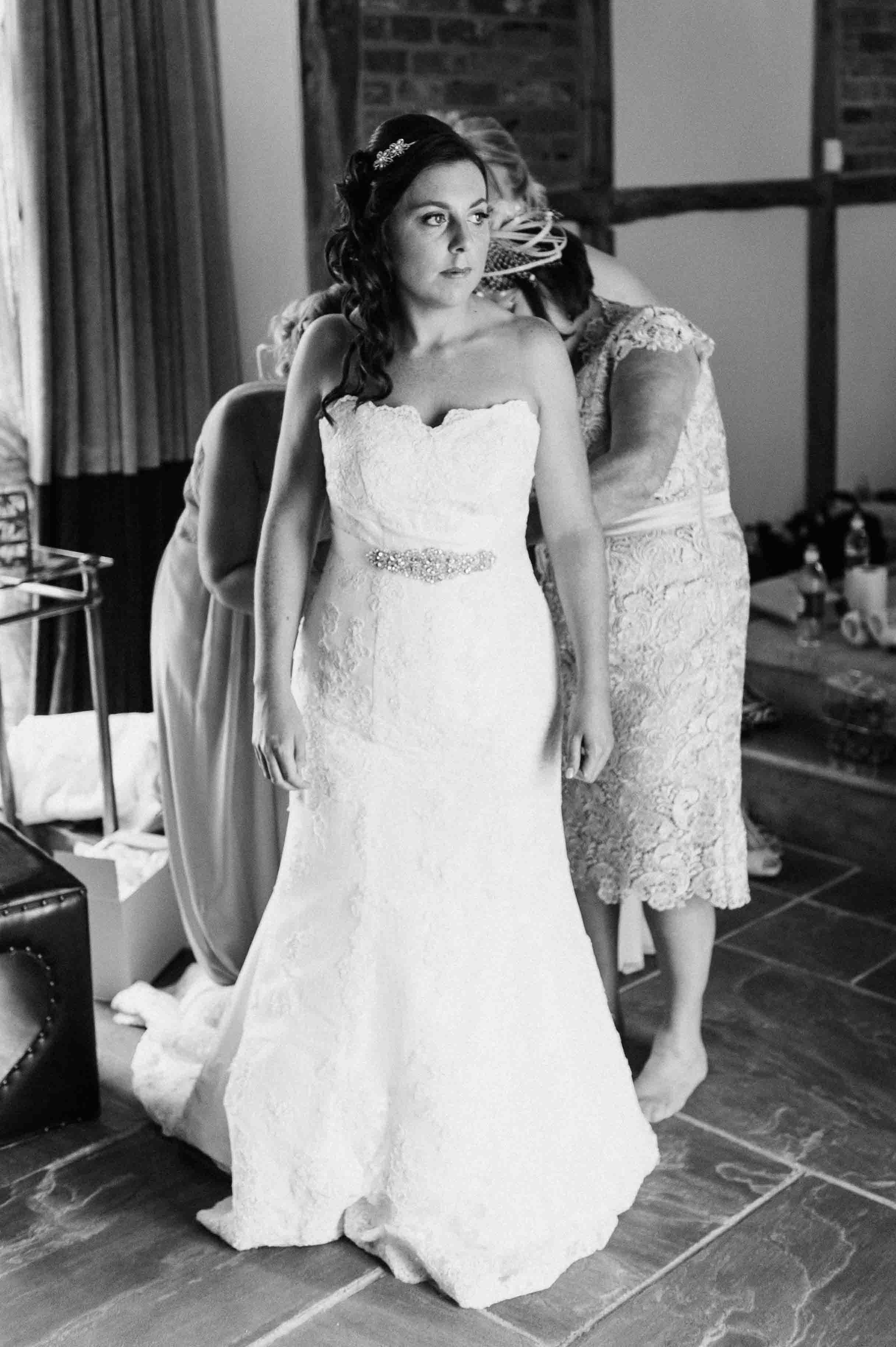
Throughout the day, the work is less about reacting to moments and more about anticipating them. It is about paying attention to atmosphere and noticing when people are relaxed, when they are tense, and when something small might escalate into unnecessary stress if left unchecked.
Sometimes that means stepping in.
A simple example is a bridal suite full of movement, a dress nearly ready, and a small hook and eye fastening refusing to cooperate. Left alone, that moment could easily tip into panic. Putting the cameras down, pulling out a small sewing tool, and fixing the problem takes seconds, but it changes the emotional direction of the morning completely. The photographs matter, but not at the expense of someone carrying stress into the rest of their day.
Those moments build trust very quickly. People stop seeing a photographer as a professional observer and start seeing someone who is there to help. That trust later allows the camera to disappear.
This balance continues throughout the day. Knowing when to step back is just as important as knowing when to step in.
During portraits, the goal is not constant instruction or rapid shooting. Giving couples space to breathe, to settle into being together, and to forget about the camera for a moment often leads to stronger photographs than directing every second. Sometimes the best decision is to wait and let a moment arrive rather than forcing it into existence.
The approach is rooted in documentary wedding photography, but with enough intention and awareness that the work still feels considered and complete.
Light and composition still matter deeply. I will gently guide people toward better light, often by moving them closer to a window or into a cleaner space, without changing what they are doing or how they are interacting. The intention is there, but it never needs to feel staged.
Where the Pressure Sits
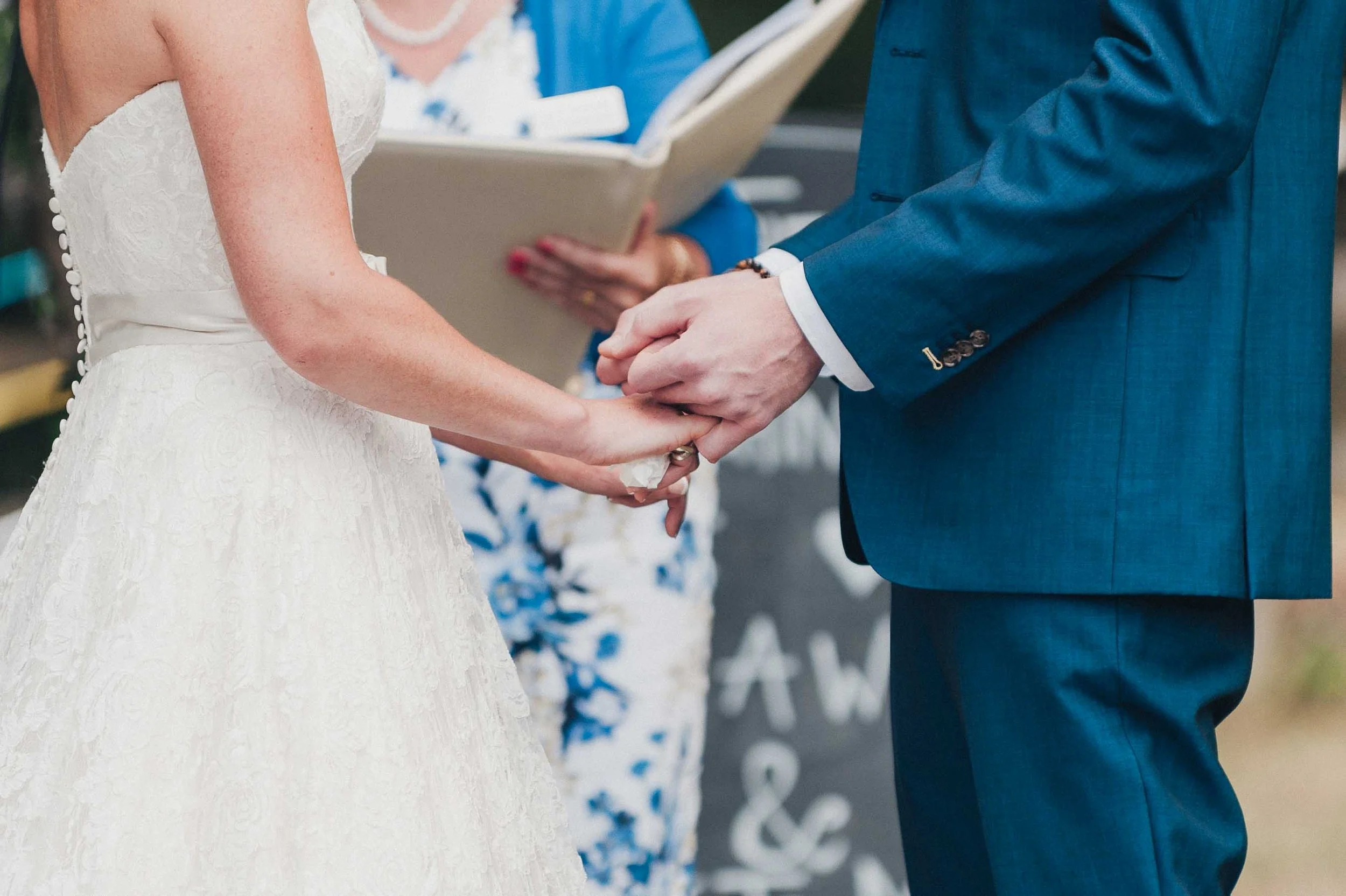
There are moments during the day that carry obvious pressure. Ceremonies are unforgiving. Ring exchanges, the first kiss, and key transitions happen once, and positioning matters. Being in the right place at the right time requires focus and anticipation rather than speed. That pressure never really disappears, but experience makes it quieter.
Some of the most challenging parts of a wedding day are the quiet ones. These are the stretches where nothing obvious is happening and people are chatting in small groups while the schedule pauses for a moment. It is tempting to feel that something should be happening, but those pauses are part of the day’s rhythm. Staying attentive without forcing moments is part of the job.
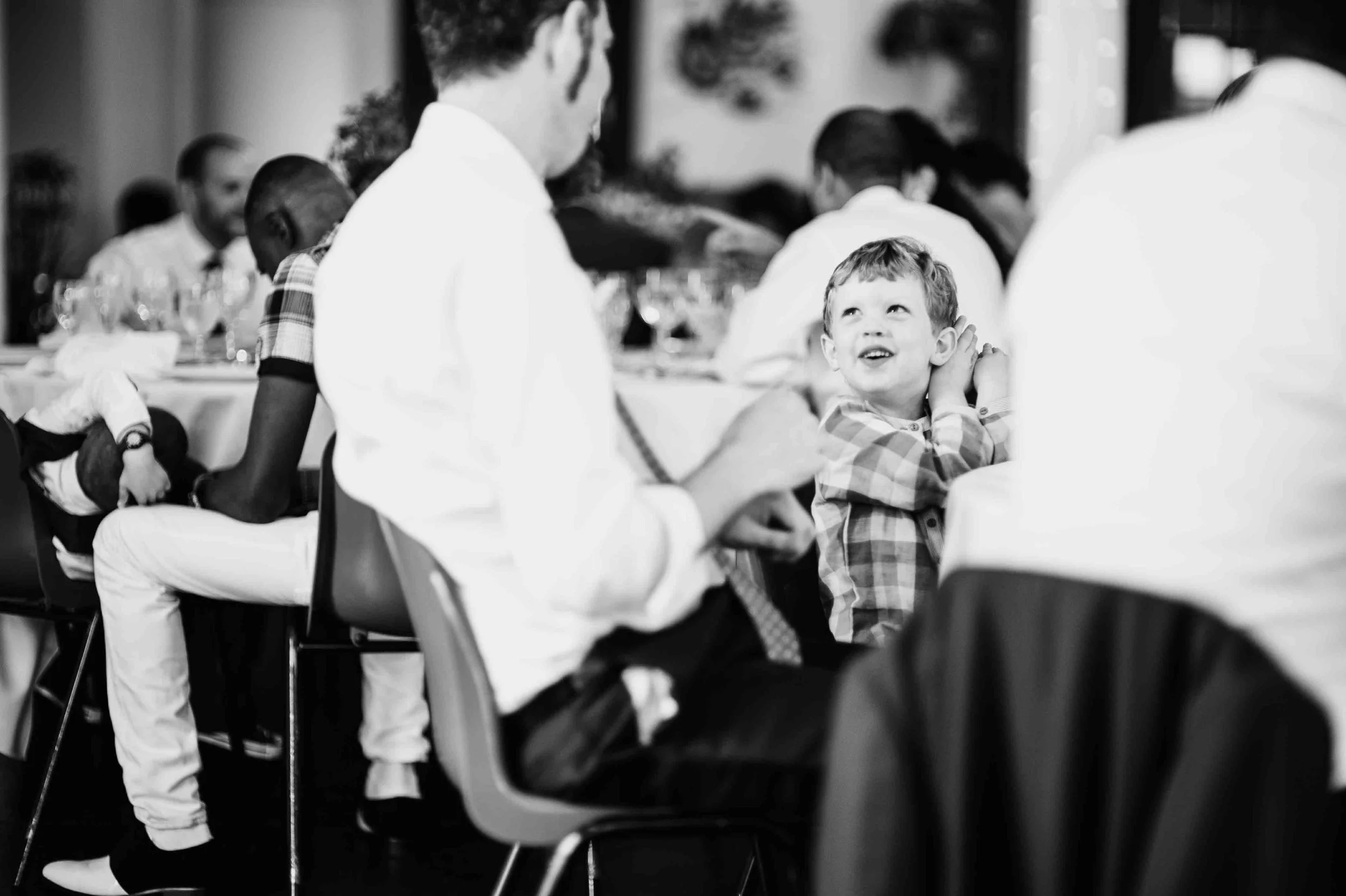
Responsibility does not switch on and off. From arrival to departure, the awareness is constant. It is about knowing when to guide, when to step back, when to help rather than photograph, and when not to take a picture at all.
This awareness extends to people dynamics. Parents, in particular, carry a lot of emotional weight on a wedding day and by building rapport with them early by introducing myself, offering photographs, and checking in often smooths the entire day without anyone consciously noticing why. The same applies to wedding planners, best men, and bridesmaids. Remembering names, respecting their roles, and working alongside them rather than around them makes everything easier.
There are countless interactions that never appear in photographs but shape the day all the same. Quiet conversations. Reassurances. Moments where the camera stays down because someone needs help rather than documentation. Knowing when not to photograph something is just as important as knowing when to press the shutter.
Why Presence Matters More Than Coverage
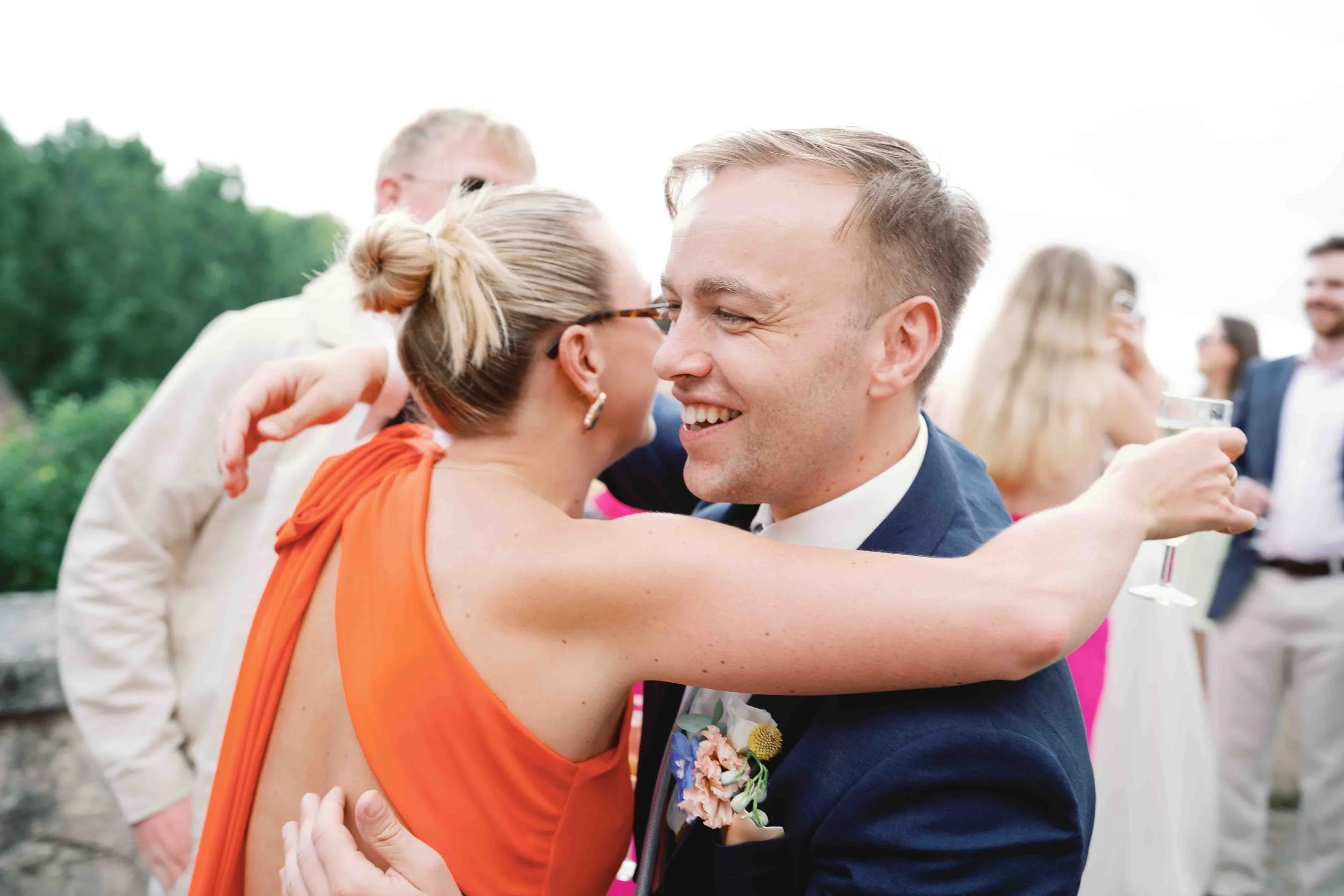
As the formal parts of the day finish, a noticeable shift happens. The work the couple has put in over months or even years finally releases, the pressure lifts and people relax. This is often when the most honest moments emerge.
Staying switched on here matters. Late light, unguarded interactions, spontaneous laughter, or someone ending up in a swimming pool do not announce themselves. They happen because people feel free. The role is to stay present without overstaying, and to recognise when the story has reached its natural conclusion.
For me, that moment usually arrives a few dances in, once the initial energy has played out and people begin drifting into their own conversations. Knowing when to stop is part of respect. Not every moment needs to be photographed.
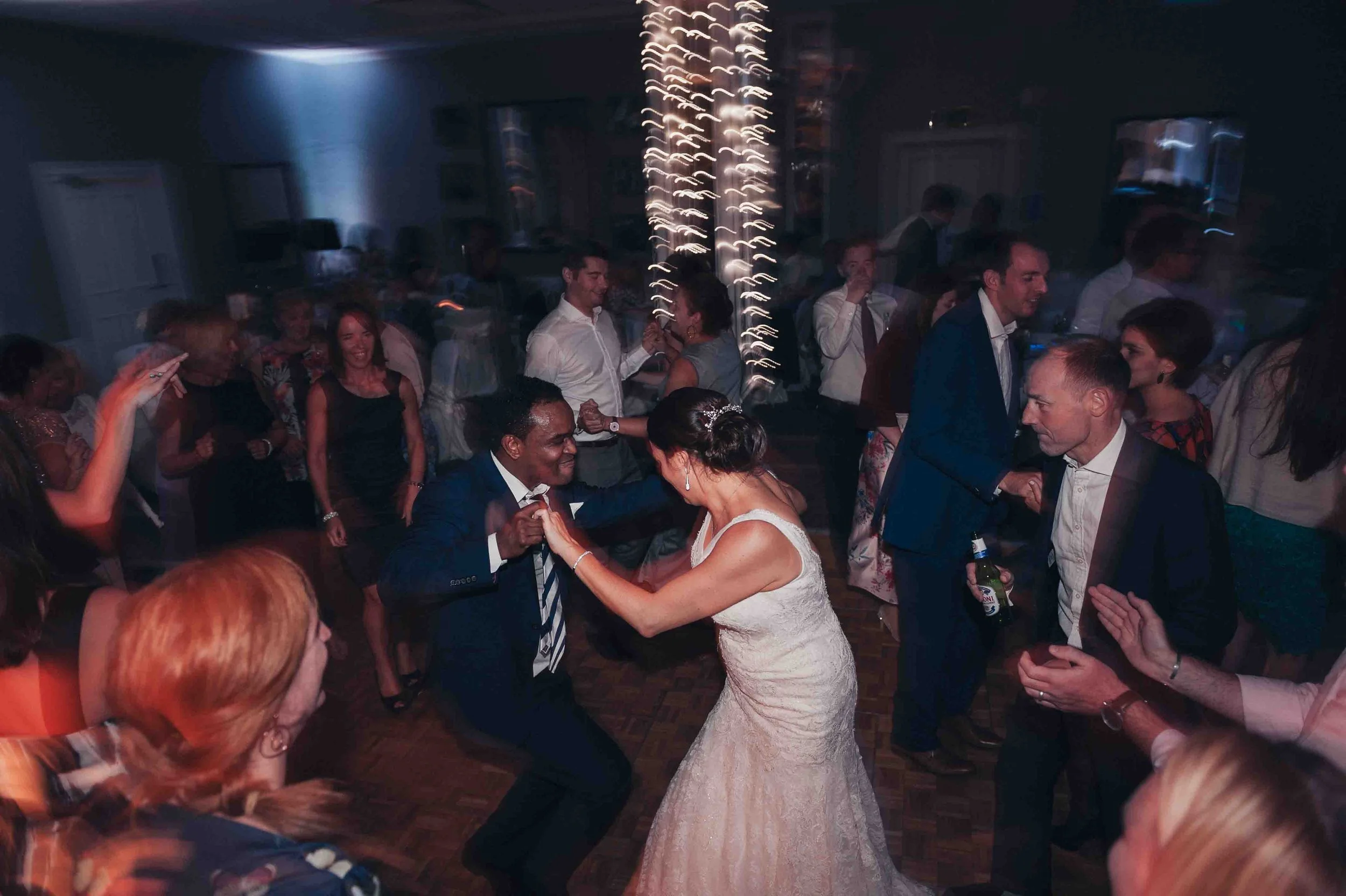
At the end of the day, the measure of doing the job well rarely comes from seeing images on the back of a camera. It comes from people saying thank you. It comes from guests saying they enjoyed having me there. It comes from couples feeling supported without ever feeling managed.
Good wedding photography is not about doing more. It is about making the right decisions at the right time without drawing attention to yourself in the process.
Most of that work will never be visible but it is there in how the day feels, and in how the photographs come together afterwards.
That is the job. The camera is just part of it.